The concern around can power flush damage pipes is very common among UK homeowners, especially when heating systems start showing signs of inefficiency such as cold radiators or slow heating. A power flush is designed to clean sludge, rust, and debris from central heating systems, but many people worry that the process might cause harm to existing pipework or weaken older plumbing systems during cleaning.


Understanding can power flush damage pipes requires knowing how heating systems naturally degrade over time. Sludge build-up can block circulation and reduce efficiency, making power flushing a useful solution. However, because the process involves strong water circulation and chemical cleaning agents, homeowners often question whether their pipework will withstand the treatment safely and effectively.
What is a power flush and how it works
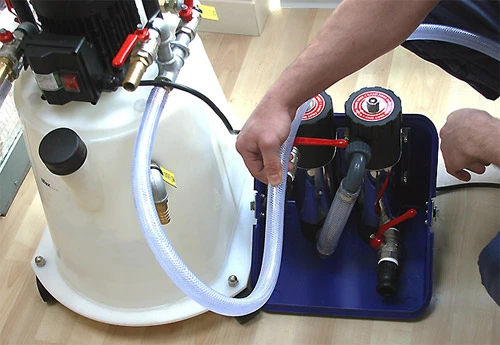
To properly understand can power flush damage pipes, it is important to first understand how the process works. A power flush is a professional cleaning method used in central heating systems where specialised equipment pumps water and cleaning chemicals through pipes and radiators. This helps break down and remove accumulated sludge and corrosion inside the system.
When considering can power flush damage pipes, it is important to note that the pressure used during the process is carefully controlled. Engineers do not simply force water through the system; instead, they maintain balanced flow rates to clean the system gradually. This controlled approach ensures that deposits are removed without putting unnecessary stress on pipework or radiators.
Can power flush damage pipes in real situations
The question can power flush damage pipes is best answered by looking at real-world system conditions. In most modern or well-maintained heating systems, a power flush does not cause any damage at all. Instead, it improves circulation and restores heating efficiency by removing blockages that restrict water flow throughout the system.
However, can power flush damage pipes becomes a more serious concern in older systems that already have corrosion or structural weakness. In such cases, the flushing process may reveal hidden leaks that were previously sealed by sludge. While this may appear as damage caused by the flush, it is actually the exposure of pre-existing issues within the system.
Risks associated with can power flush damage pipes
One of the main risks behind can power flush damage pipes is the condition of ageing pipework. Older systems that have not been maintained properly may contain rusted joints or weakened sections. When sludge is removed, these weak points can become visible, sometimes leading to small leaks that require repair after the process.
Another important aspect of can power flush damage pipes is the possibility of system imbalance during cleaning. If the process is not carried out correctly by a trained professional, pressure fluctuations could stress certain components. This is why expert handling is essential, as improper flushing techniques can increase the risk of unnecessary wear or exposure of faulty parts.
Safety measures that reduce the risk of damage
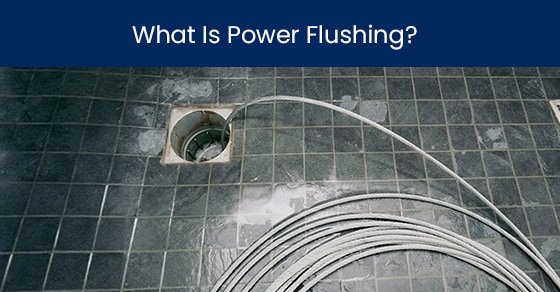
When addressing can power flush damage pipes, safety measures play a crucial role in preventing issues. Professional engineers carefully inspect the heating system before starting any work. This allows them to identify weak radiators, corroded pipes, or faulty valves that might be vulnerable during the cleaning process.
In relation to can power flush damage pipes, modern equipment is also designed to operate under controlled pressure levels. This ensures that the water flow is strong enough to remove sludge but not aggressive enough to damage the system. Continuous monitoring during the process further reduces risk and ensures safe and effective cleaning results.
Signs your system may need a power flush
Many homeowners start searching can power flush damage pipes when they notice problems such as uneven heating or cold spots on radiators. These issues are often caused by sludge build-up restricting water circulation. A power flush can help restore normal flow and improve the overall performance of the heating system.
Another reason people consider can power flush damage pipes is when their boiler becomes noisy or inefficient. Discoloured water or frequent heating issues can also indicate internal blockages. In these cases, a power flush is often recommended to restore system balance and prevent further long-term damage caused by poor circulation.
When power flushing may not be suitable
The concern can power flush damage pipes becomes more important in systems that are extremely old or heavily corroded. In such cases, the structure of the pipework may be too fragile to handle aggressive cleaning methods. Engineers may advise against power flushing if they believe the risk of leakage is too high.
In situations involving can power flush damage pipes, alternative methods such as chemical flushing or gradual system cleaning may be more appropriate. These methods are less aggressive and may be better suited for delicate or ageing systems. A professional assessment is always necessary before deciding the safest approach for treatment.
Benefits of power flushing despite potential risks
Even though can power flush damage pipes is a concern for many homeowners, the benefits of the process often outweigh the risks when performed correctly. A successful power flush can significantly improve heating efficiency, reduce energy consumption, and extend the lifespan of boilers and radiators.
When considering can power flush damage pipes, it is also important to understand the long-term advantages. A clean heating system distributes heat more evenly, reduces strain on components, and lowers the risk of breakdowns. This makes power flushing a valuable maintenance step for many UK households dealing with heating inefficiencies.
How professionals prevent pipe damage during power flushing
Experienced engineers play a key role in addressing can power flush damage pipes safely. They begin by assessing the condition of the entire heating system, identifying potential weak points before any cleaning begins. This ensures that pressure levels and cleaning methods are adjusted accordingly for maximum safety.
In relation to can power flush damage pipes, professionals also continuously monitor the system throughout the process. Any signs of leakage or pressure irregularities are handled immediately to prevent further complications. This controlled and careful approach ensures that the cleaning process improves system performance without causing unnecessary damage.
Conclusion on can power flush damage pipes
In conclusion, can power flush damage pipes is a concern that mainly depends on the condition of the heating system rather than the process itself. In most modern systems, power flushing is completely safe and highly effective at improving performance and removing internal blockages.
Ultimately, can power flush damage pipes only becomes a risk when dealing with old, corroded, or poorly maintained pipework. With proper inspection, professional handling, and controlled equipment, the process remains one of the most efficient ways to restore heating systems and improve long-term reliability in UK homes.