
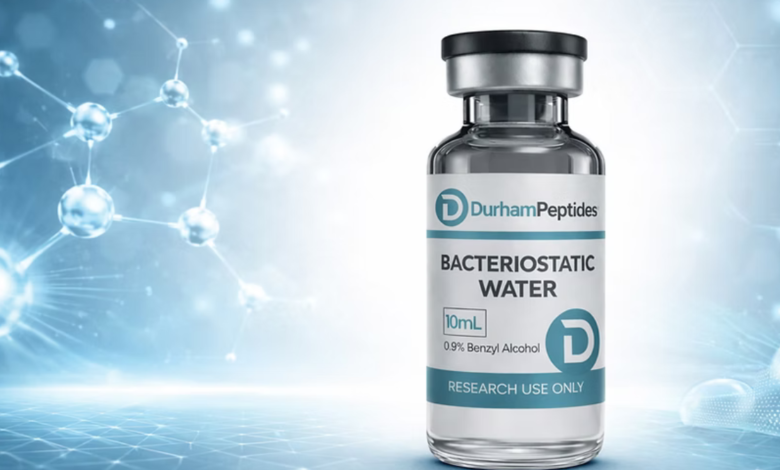
Bac water for peptides is essential for reconstituting freeze-dried injectable compounds. Here’s where to find it and how to use it effectively.
What is Bac Water for Peptides?
Bac water for peptides refers to bacteriostatic water used to reconstitute freeze-dried injectable compounds before use. This sterile solution contains 0.9% benzyl alcohol, which acts as a preservative, preventing bacterial growth during multi-use reconstitution. It is critical for maintaining the integrity of peptides during storage and preparation.
Where to Purchase Bac Water for Peptides
When looking for bac water for peptides, you can find it at various local pharmaceutical retailers such as Walgreens, CVS, and Walmart. These stores often carry bacteriostatic water suitable for research and medical use. Additionally, online retailers specializing in medical supplies may offer premium BAC water reconstitution solutions for peptides, usually in sterile glass vials.
How to Use Bac Water for Peptides
To properly reconstitute peptides using bac water, follow these steps:
- Gather your materials: bac water for peptides, the peptide vial, and a syringe.
- Remove the cap from the peptide vial and wipe the rubber stopper with an alcohol swab.
- Draw the appropriate amount of bac water (typically 1 to 3 mL) into the syringe.
- Inject the bac water gently into the peptide vial’s rubber stopper, aiming for the side of the vial to prevent foaming.
- Swirl gently to mix the solution, ensuring the peptide is fully dissolved.
Best Practices for Reconstituting Peptides
Using bac water for peptides requires attention to detail to ensure effectiveness:
- Always use sterile equipment to avoid contamination.
- Follow dosage guidelines for peptides precisely to ensure proper dosing.
- Store reconstituted peptides in a refrigerator to maintain stability, and check the pH levels in BAC water if unsure.
How Much Bac Water for Peptides?
The exact amount of bac water for peptides can vary based on the specific peptide being reconstituted. Typically, the range is between 1 to 3 mL, but specific dosage guidelines for peptides should always be consulted for accuracy.
Safety Precautions for Bac Water
When handling bac water for peptides, it is essential to observe safety precautions. Ensure that the environment is clean, and avoid any direct contact with the solution. Always check the bacteriostatic water shelf life and discard any expired products to prevent potential adverse effects.
Research Grade Bac Water for Peptides
Research-grade bac water is typically preferred for reconstituting peptides due to its ultra-pure formulation. This type of bac water is often available through specialized suppliers, ensuring that it meets the necessary standards for research use.
Frequently Asked Questions
Can I buy bacteriostatic water at CVS?
If you need bacteriostatic water for a medication today, you can shop around at various local pharmaceutical retailers, such as Walgreens, CVS, or Walmart.
What’s the best BAC water for peptides?
The best bac water for peptides is medical-grade bacteriostatic water — sterile water preserved with 0.9% benzyl alcohol to prevent bacterial contamination during multi-use reconstitution.
What is the BAC fluid for peptides?
BAC fluid for peptides is bacteriostatic water used to reconstitute freeze-dried injectable compounds. It contains 0.9% benzyl alcohol as a preservative.
What are the benefits of using bacteriostatic water?
Bacteriostatic water helps prevent bacterial contamination during the reconstitution of peptides and allows for multi-use of the solution without compromising safety.
How should bac water be stored?
Bac water should be stored in a cool, dry place, away from direct sunlight. Once opened, it should be refrigerated and used within the recommended time frame.
What is the shelf life of bacteriostatic water?
The shelf life of bacteriostatic water varies by manufacturer, but it is typically around 28 days after opening. Always refer to the product label for specific information.
You May Also Read: apartments for rent connecticut
