Rate My Fantasy Team: The Ultimate Guide to Analysing, Improving, and Winning Your Fantasy League

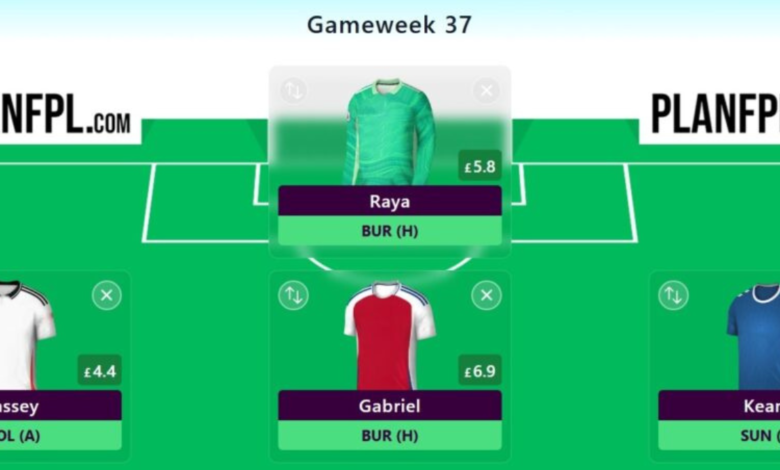
rate my fantasy team Fantasy sports have become one of the most exciting ways for fans to engage with their favourite games. Instead of simply watching matches, fantasy managers create their own squads, compete with friends, and test their knowledge of player performance, tactics, and statistics. However, building a fantasy team is only the first step. Regularly analysing your squad is essential if you want to improve your rankings and achieve better results. This is where the idea of rate my fantasy team becomes valuable for fantasy players who want expert opinions and strategic improvements rate my fantasy team.
rate my fantasy team A fantasy team rating helps managers understand whether their selected players have the potential to deliver strong points. It evaluates different aspects of a squad, including player form, upcoming fixtures, injury updates, team balance, and captain choices. A team that looks impressive on paper may not always perform well if players are out of form or facing difficult opponents. By reviewing your lineup before each gameweek, you can identify problems early and make smarter decisions rate my fantasy team.
rate my fantasy team Successful fantasy managers do not depend only on luck. They study statistics, follow player updates, and constantly adjust their strategies. Whether you are playing fantasy football, cricket, basketball, or another fantasy sport, analysing your squad can provide a competitive advantage. A proper evaluation allows you to discover weaknesses, improve your transfers, and create a team capable of competing at the highest level.
What Does Rate My Fantasy Team Actually Mean?
The phrase rate my fantasy team refers to the process of evaluating a fantasy squad to determine its overall strength and potential performance. Fantasy team ratings are based on several important factors that influence how many points your players may earn during upcoming matches. These evaluations are commonly used by beginners and experienced fantasy managers who want a second opinion before finalising their lineups rate my fantasy team.
rate my fantasy team A good fantasy team rating does not simply focus on the biggest names in the sport. Instead, it considers whether each player is likely to contribute points consistently. A superstar player might have a high reputation but could struggle if they are injured, rotated, or facing a strong opponent. On the other hand, a less popular player may provide excellent value because they are performing well and have favourable upcoming fixtures rate my fantasy team.
When experts review a fantasy squad, they usually analyse player statistics, recent performances, expected minutes, team tactics, and future schedules. They also consider whether the squad has a proper balance between expensive premium players and affordable options. A balanced team structure gives managers more flexibility when making transfers and handling unexpected changes.
Fantasy team ratings are especially useful because they remove emotional decisions from the selection process. Many players choose their favourite athletes because of personal loyalty, but successful fantasy management requires objective analysis. A proper rating helps you understand whether your choices are based on data or simply personal preference.
How to Rate My Fantasy Team Like a Professional Fantasy Expert
Professional fantasy managers follow a detailed process when evaluating their squads. They do not simply look at the total number of famous players; they analyse every position and consider how each selection contributes to overall performance. If you want to rate my fantasy team effectively, you need to examine multiple areas that influence fantasy points.
The first step is analysing individual player selections. Every player in your squad should have a clear purpose. Some players provide consistent points through goals, assists, clean sheets, or defensive contributions, while others may offer value because of their lower price and increasing opportunities. Understanding player roles is important because a regular starter has a higher chance of earning points compared with someone who spends most matches on the bench.
Another important factor is team balance. A fantasy squad should not depend entirely on one or two expensive players. While premium players can produce huge scores, a strong supporting team is necessary for long-term success. Managers should combine elite performers with reliable mid-priced options and affordable players who have potential.
Fixture analysis is also a major part of professional fantasy evaluation. Players facing weaker opponents often have better opportunities to score points. Checking upcoming schedules allows managers to plan transfers and avoid selecting too many players from teams with difficult matchups. A strong fantasy strategy always considers both current performance and future opportunities rate my fantasy team.
Key Factors That Improve Your Fantasy Team Rating
One of the most important elements in improving your fantasy team rating is using statistics instead of assumptions. Modern fantasy sports provide detailed information about player performance, including goals, assists, shots, passes, defensive actions, and consistency levels. These statistics help managers identify players who are performing well beyond simple popularity.
Player form is another major factor. A player who has consistently delivered strong performances over several matches is usually a safer option than someone relying only on past reputation. Monitoring recent results helps managers find players who are currently performing at their best.
Injuries and team news can also significantly affect fantasy performance. A player who is unavailable cannot contribute points, no matter how talented they are. Before every gameweek, fantasy managers should check injury reports, suspension updates, and expected lineups. This simple habit can prevent unnecessary points losses.
Captain selection is another area where many fantasy managers gain or lose significant advantages. In many fantasy formats, the captain earns additional points, making this decision extremely important. Choosing a captain based on form, fixtures, and playing role can dramatically improve your weekly score.
Common Mistakes Fantasy Managers Make When Building Their Teams
Many fantasy players make mistakes because they focus too much on popular names rather than actual performance. Selecting famous players can feel safe, but reputation alone does not guarantee fantasy success. A player’s current form, role within the team, and upcoming fixtures are often more important than their previous achievements.
Another common mistake is ignoring fixture difficulty. Some managers keep expensive players even when their teams face challenging opponents for several weeks. While top players can still perform in difficult matches, smart fantasy managers understand when a temporary transfer could provide better value.
Making too many transfers is another problem. Constantly changing your team based on one bad performance can damage your overall strategy. Successful fantasy managers make calculated decisions instead of reacting emotionally after every match.
Following trends without research can also create problems. Many players copy popular fantasy teams without understanding why certain players were selected. A better approach is learning the reasons behind successful decisions and applying those principles to your own squad.
Using Fantasy Team Rating Tools and Expert Analysis
Fantasy analysis tools have become increasingly popular because they provide quick evaluations and recommendations. These tools can review player statistics, upcoming fixtures, and team balance to help managers understand their squad’s strengths and weaknesses. They are especially useful for beginners who are still learning fantasy strategies.
However, expert recommendations should be used as guidance rather than automatic instructions. Every fantasy manager has different goals, league positions, and risk preferences. Some players prefer safe selections, while others choose unique players to gain an advantage over competitors.
The best approach is combining expert analysis with personal research. Use ratings and opinions to discover new ideas, but always make final decisions based on your own understanding. Over time, this process helps you develop stronger fantasy skills and become a more confident manager.
How to Improve Your Fantasy Team After Receiving a Rating
After receiving a fantasy team evaluation, the next step is making improvements. A rating is not just a score; it is a tool that highlights areas where your squad can become stronger. If certain players are underperforming, replacing them with better options can improve your future results.
Smart transfers are one of the easiest ways to strengthen your team. Instead of making random changes, focus on improving weak positions. Look for players with good upcoming fixtures, strong recent performances, and consistent playing time.
Long-term planning is also essential. Fantasy success usually comes from patience and preparation rather than short-term decisions. Managers who plan several weeks ahead often perform better because they are prepared for fixture changes, injuries, and player form shifts.
Regularly reviewing your performance allows you to learn from mistakes. Analyse which decisions worked and which did not. This continuous improvement process separates successful fantasy managers from casual players.
Conclusion: Why Rating Your Fantasy Team Can Help You Win
The process of evaluating your squad is one of the most important habits for any serious fantasy manager. Using rate my fantasy team analysis allows players to understand their strengths, identify weaknesses, and make smarter decisions before every matchweek.
A successful fantasy team is built through research, strategy, and continuous improvement. By studying player form, analysing fixtures, managing transfers wisely, and using expert insights, you can increase your chances of achieving better rankings.
Fantasy sports are not only about choosing talented players; they are about making informed decisions at the right time. Regular team evaluation can help you stay ahead of competitors and build a squad capable of winning your fantasy league.
Frequently Asked Questions (FAQs)
1. What does rate my fantasy team mean?
Rate my fantasy team means evaluating a fantasy squad to analyse player selections, team balance, fixtures, and potential performance.
2. How can I get my fantasy team rated?
You can get your fantasy team rated by using fantasy analysis tools, expert opinions, and community feedback.
3. What factors affect a fantasy team rating?
Player form, statistics, fixtures, injuries, captain choices, and squad balance are key factors that affect fantasy ratings.
4. Should I change my fantasy team after receiving a low rating?
A low rating does not always mean your team will fail, but it can highlight areas where improvements may be useful.
5. How often should I rate my fantasy team?
It is recommended to review your fantasy team before every matchweek to stay updated with player changes.
6. Can fantasy team ratings guarantee winning?
No rating can guarantee victory, but proper analysis can improve decision-making and increase your chances of success.
7. Are fantasy team rating tools accurate?
Fantasy rating tools can provide useful insights, but managers should combine them with their own research and strategy.
You May Also Read: piercing shops near me
