An Environmental Management System is a structured framework that helps organisations manage their environmental responsibilities in a consistent and measurable way. It is designed to reduce environmental impact, improve efficiency, and ensure compliance with legal requirements. When exploring what is an environmental management system, it becomes clear that it is not just a policy document but a complete system embedded into business operations and decision-making processes.


In today’s UK business environment, sustainability is no longer optional. Organisations are expected to demonstrate environmental responsibility while maintaining operational performance. Understanding what is an environmental management system helps businesses achieve this balance by integrating environmental practices into everyday activities. It supports long-term sustainability, reduces waste, and encourages continuous improvement across all levels of an organisation.
What is an environmental management system
To clearly answer what is an environmental management system, it is a structured approach used by organisations to identify, manage, and reduce their environmental impacts. It includes policies, procedures, and processes that guide how a company interacts with the environment. The system ensures that environmental risks are controlled and sustainability goals are achieved in a systematic and organised manner.
When analysing what is an environmental management system in more detail, it becomes evident that it operates as a continuous cycle of improvement. Organisations regularly review their environmental performance, set objectives, and implement corrective actions. This makes the system dynamic rather than static, ensuring that environmental management evolves alongside business growth and regulatory changes.
What is an environmental management system in practice
In practical terms, what is an environmental management system can be seen in actions such as reducing energy consumption, managing waste responsibly, and preventing pollution. Companies apply structured processes to monitor environmental performance and ensure that resources are used efficiently. These practices help organisations reduce their carbon footprint while improving operational efficiency.
Understanding what is an environmental management system in real-world application also involves employee engagement and training. Staff are educated on environmental responsibilities, and procedures are put in place to ensure compliance with environmental standards. This creates a culture of sustainability where every employee contributes to environmental performance improvement.
Key components of an Environmental Management System
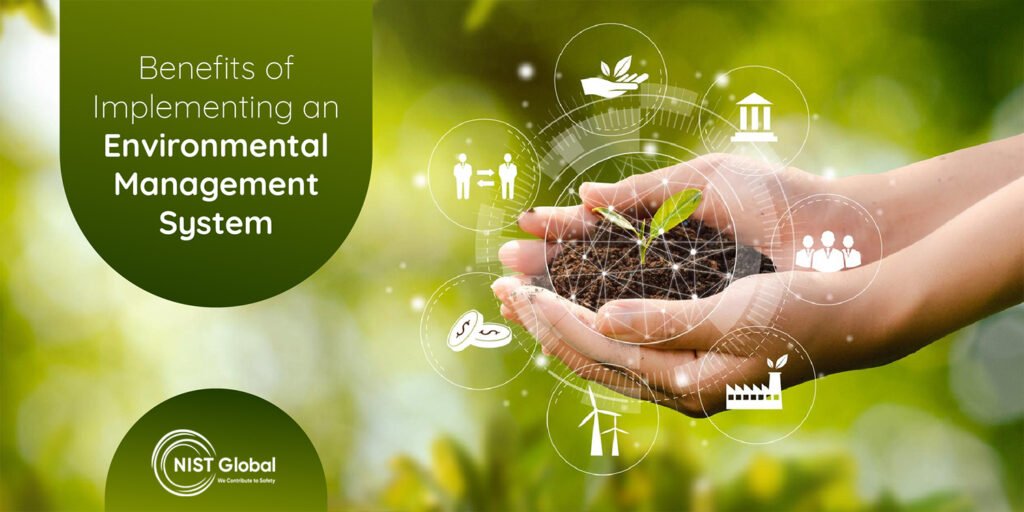
A well-designed Environmental Management System consists of several essential components, including environmental policy, planning, implementation, monitoring, and continuous improvement. Each component plays a critical role in ensuring that environmental objectives are clearly defined and effectively achieved within an organisation.
When considering what is an environmental management system, these components work together as an integrated structure. Environmental planning identifies risks and opportunities, while implementation ensures that procedures are followed. Monitoring and auditing then measure performance, and management reviews ensure that the system remains effective and aligned with organisational goals.
The PDCA cycle in Environmental Management Systems
The Plan-Do-Check-Act (PDCA) cycle is a fundamental principle behind Environmental Management Systems. It provides a structured method for continuous improvement by planning environmental objectives, implementing actions, checking results, and making necessary adjustments. This cycle ensures that environmental performance is constantly evolving and improving.
When examining what is an environmental management system, the PDCA model is essential because it transforms environmental management into an ongoing process rather than a one-time effort. It allows organisations to adapt to new challenges, improve efficiency, and maintain compliance with environmental regulations in a structured and systematic way.
ISO 14001 and Environmental Management Systems
ISO 14001 is the internationally recognised standard for Environmental Management Systems. It provides a clear framework that organisations can follow to develop and maintain an effective EMS. Certification to ISO 14001 demonstrates that an organisation is committed to environmental responsibility and continuous improvement.
Understanding what is an environmental management system often involves understanding ISO 14001, as it sets the benchmark for best practices globally. It helps organisations standardise their environmental processes, improve credibility, and meet both regulatory and stakeholder expectations effectively within competitive industries.
Benefits of an Environmental Management System
An Environmental Management System offers numerous benefits, including reduced environmental impact, improved resource efficiency, and cost savings. Organisations that implement EMS frameworks often experience better compliance with environmental regulations and improved operational performance. These advantages make EMS a valuable tool for sustainable business growth.
When asking what is an environmental management system, it is important to highlight its strategic benefits. It enhances reputation, reduces risks, and improves stakeholder trust. It also supports long-term sustainability goals by ensuring that environmental considerations are embedded into business strategy and daily operations.
Who needs an Environmental Management System
Environmental Management Systems are relevant to a wide range of organisations, including manufacturing companies, construction firms, and service providers. Any organisation that has an environmental impact can benefit from implementing an EMS to improve efficiency and reduce environmental harm.
The question of what is an environmental management system is particularly important for businesses operating in regulated industries. In the UK, increasing environmental legislation means that even small and medium-sized enterprises are adopting EMS frameworks to remain compliant and competitive in their respective markets.
Steps to implement an Environmental Management System
Implementing an Environmental Management System begins with understanding current environmental impacts and developing a clear environmental policy. Organisations then identify key environmental aspects, set measurable objectives, and create action plans to achieve them effectively and systematically.
To fully understand what is an environmental management system, it is important to recognise that implementation also includes employee training, performance monitoring, and regular audits. Continuous improvement ensures that the system remains effective and responsive to changing environmental and business conditions.
Challenges in implementing an EMS
Despite its advantages, implementing an Environmental Management System can present challenges such as limited resources, lack of training, and resistance to organisational change. Some businesses may also struggle with collecting accurate environmental data and maintaining consistent monitoring processes.
However, when exploring what is an environmental management system, it becomes clear that these challenges can be overcome with strong leadership and proper planning. With commitment and structured implementation, organisations can successfully integrate EMS into their operations and achieve long-term sustainability goals.
Environmental Management System examples
Environmental Management Systems can be found across various industries, each tailored to specific environmental impacts. For example, manufacturing companies focus on reducing emissions and waste, while construction firms manage site pollution and resource use. Service-based organisations often focus on energy efficiency and office sustainability practices.
Understanding what is an environmental management system becomes easier when looking at these real-world examples. Each organisation adapts EMS principles to suit its operations, but the core objective remains the same: reducing environmental impact while improving efficiency and compliance.
The future of Environmental Management Systems
The future of Environmental Management Systems is closely linked to digital transformation and sustainability trends. Advanced data analytics, automation, and real-time monitoring are increasingly being integrated into EMS frameworks to improve accuracy and efficiency.
When considering what is an environmental management system in a modern context, it is clear that EMS will continue to evolve. With growing environmental awareness and stricter regulations, organisations will rely more on EMS to achieve carbon reduction targets and meet sustainability expectations.
Conclusion
In conclusion, understanding what is an environmental management system is essential for organisations aiming to operate sustainably and responsibly. It provides a structured approach to managing environmental impacts while improving efficiency, compliance, and long-term performance.
Ultimately, what is an environmental management system goes beyond compliance; it represents a commitment to continuous improvement and environmental stewardship. Organisations that adopt EMS frameworks benefit from stronger performance, reduced risks, and a more sustainable future.