
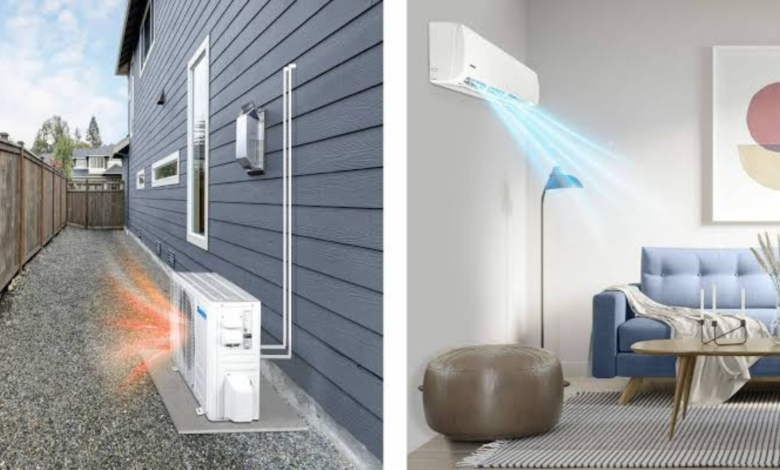
Transforming your home’s heating and cooling system with a mini split heat pump can significantly reduce energy costs while enhancing comfort. These compact, ductless systems are designed to provide reliable warmth and cooling, making them an ideal solution for modern homes.

Understanding Mini Split Heat Pumps
Mini split heat pumps are a type of ductless heating solution that can both heat and cool your home. These systems work by transferring heat from one place to another, making them an energy-efficient HVAC system. Unlike traditional systems that rely on ductwork, mini splits offer zone heating capabilities, allowing you to control the temperature in individual rooms or zones.
Energy Efficiency and Cost Savings
One of the most significant advantages of mini split heat pumps is their energy efficiency. These systems can reduce heating costs by up to 40%, thanks to their high efficiency ratings, often reaching 22+ SEER2. This makes them a cost-effective heating option for homeowners looking to save on utility bills while maintaining comfort.
Installation Guide for Mini Splits
Installing a mini split heat pump can be a DIY project for those with some technical skills. The process involves mounting the indoor unit, drilling a hole for the conduit, connecting refrigerant lines, and setting up the outdoor unit. MRCOOL’s DIY Select mini-split system is designed for self-installation, making it easier for homeowners to set up their climate control system without professional help.
Popular Models and Brands
Several brands offer reliable heating systems with mini split heat pumps. Mitsubishi is a well-known brand for its efficient and durable models. Senville also offers a range of models, from 12,000 to 48,000 BTU, accommodating different home sizes and needs. Bosch mini-splits are compact and operate quietly, providing comfort without ductwork.
Choosing the Right BTU Capacity
When selecting a mini split heat pump, it’s crucial to choose the correct BTU capacity for your space. For instance, a 12,000 BTU unit is suitable for areas up to 550 square feet. Understanding your home’s heating and cooling requirements ensures optimal performance and energy efficiency.
Benefits of Zone Heating Systems
Mini split heat pumps offer zone heating capabilities, allowing you to heat or cool specific areas independently. This feature is particularly beneficial in homes where different rooms have varying heating and cooling needs. By focusing on occupied spaces, you can avoid wasting energy on unoccupied rooms, further enhancing the system’s cost-effectiveness.
Maintenance Tips for Longevity
Regular maintenance is essential for the longevity and efficiency of mini split heat pumps. Basic maintenance tasks include cleaning or replacing filters, checking refrigerant levels, and inspecting the outdoor unit for debris. These steps help maintain the system’s performance and extend its lifespan.
Mini Split vs. Central Air Systems
Mini split systems offer several advantages over traditional central air systems. They don’t require ductwork, which can be a source of energy loss. Additionally, mini splits provide customized climate control with their zone heating capabilities. This makes them a smart choice for homes without existing ductwork or for those looking to enhance energy efficiency.
Smart Technology in Mini Splits
Many modern mini splits come equipped with smart technology, allowing homeowners to control their systems remotely via smartphone apps. This feature offers convenience and the ability to adjust settings even when away from home, ensuring optimal energy use and comfort.
Environmentally Friendly Heating Solutions
Mini split heat pumps are considered environmentally friendly due to their energy-efficient operation and reduced reliance on fossil fuels. By transferring heat instead of generating it, these systems lower greenhouse gas emissions, contributing to a more sustainable future.
Frequently Asked Questions
What is the cost of a mini split heat pump?
The cost of a mini split heat pump varies by model and capacity. Prices can range from $768 to $2,923, depending on the BTU capacity and features.
How do mini split heat pumps work?
Mini split heat pumps work by transferring heat from one place to another. They use refrigerant to absorb heat from the indoor air and release it outside, or vice versa, depending on whether heating or cooling is required.
Are mini split systems energy efficient?
Yes, mini split systems are highly energy efficient, with some models achieving 22+ SEER2 ratings. They can reduce heating costs by up to 40%, making them a cost-effective solution.
Can I install a mini split heat pump myself?
Many mini split systems, like the MRCOOL DIY Select, are designed for self-installation. However, proper installation requires some technical skills and following the manufacturer’s instructions carefully.
What maintenance do mini split heat pumps require?
Regular maintenance includes cleaning or replacing filters, checking refrigerant levels, and ensuring the outdoor unit is free from debris. This helps maintain efficiency and prolongs the lifespan of the system.
Why choose a mini split over central air?
Mini splits offer the advantage of ductless operation and zone heating, providing customized climate control and greater energy efficiency compared to central air systems.
Mini split heat pumps offer an efficient and flexible solution for modern homes, providing both heating and cooling without the need for ductwork. Their energy efficiency, ease of installation, and smart technology features make them a popular choice for homeowners seeking to enhance comfort while reducing energy costs.
You May Also Read: for god so loved the world
